Telecom LLM Survey Highlights Longitudinal Privacy Risks
An arXiv preprint from November 25 2026 surveys security privacy and ethics challenges when large language models handle sensitive long-term telecom data for customer service…
- Telecom data's sensitive longitudinal nature creates privacy risks distinct from typical chatbot use according to the survey.
- The preprint maps open research challenges such as protecting data over long periods and meeting varying international rules.
- Everyday users and AI developers gain awareness of telecom-specific threats but the abstract offers no new tools or implementations.
What the preprint reports
The research by Joy Bose and Srinivas Adyapak posted on arXiv on November 25 2026 is a survey of existing work on large language models integrated into telecommunications.
It notes that while LLMs promise efficiency for customer service network analytics and operational support their use raises critical privacy security and ethical challenges because telecom data is uniquely sensitive and spans long periods.
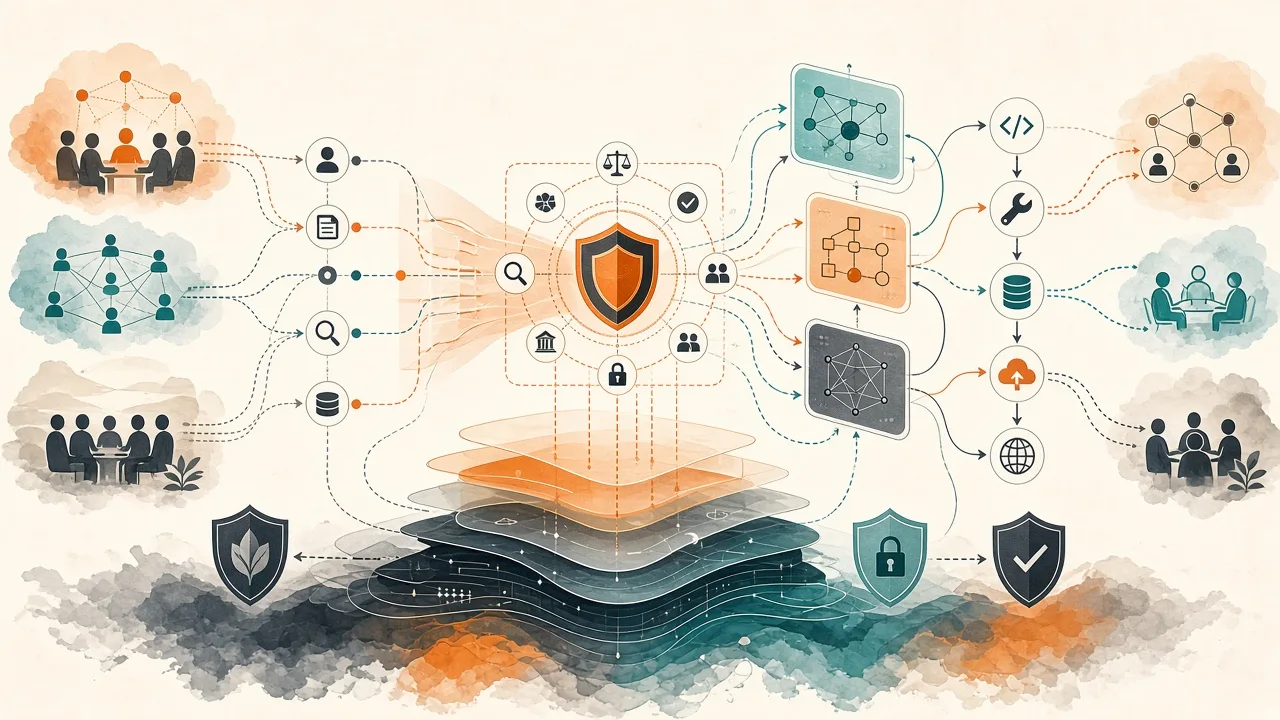
The authors present a telecom-specific taxonomy that links privacy security and ethics with relevant use cases and outline open research challenges such as longitudinal data privacy cross-border compliance and scalable guardrails.
Practical effects on users and creators
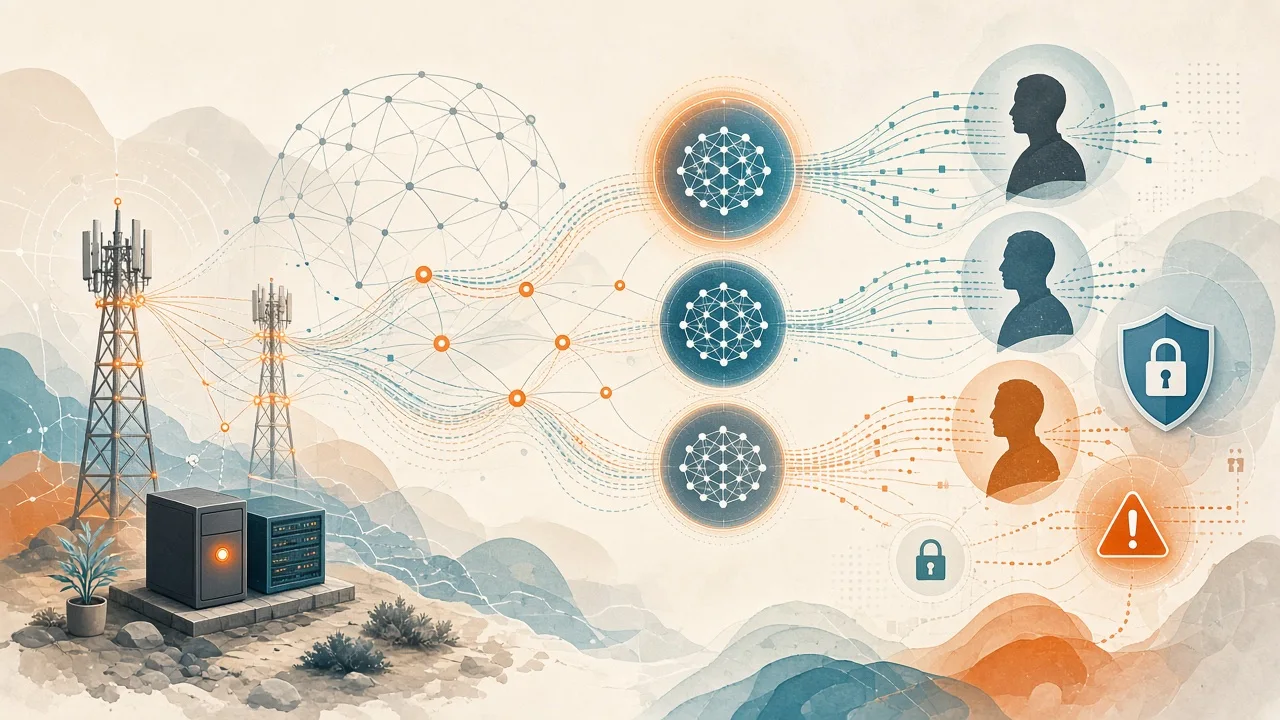
If carriers feed years of call logs location history or usage data into LLMs ordinary people risk their sensitive longitudinal records becoming part of model training or context in ways not typical for general chatbots.
Independent developers building AI tools or companions that might interact with telecom APIs or datasets now have a clearer map of compliance and long-term retention concerns though the preprint itself supplies no code or ready solutions.
Users who prioritize keeping personal conversations private can use this survey as a reminder to evaluate whether any service links to carrier identities or location data that could trigger stricter data-handling obligations.
Why it matters for uncensored AI
Our analysis starts from the preprint's emphasis on telecom-specific privacy and ethics challenges for LLMs. When carriers deploy these models the resulting systems must navigate longitudinal data protections and cross-border rules that shape how personal information is stored and used.
This creates a practical choice for people seeking AI companions: stay with platforms tied to telecom data pipelines that require complex compliance or opt for alternatives that keep interactions separate from carrier records. The survey does not address model refusals or expression limits so we do not draw conclusions about moderation behavior.
We recommend considering Muah AI when you want a multimodal companion that supports uncensored chat photo exchange voice interactions and phone calls in one platform keeping your personal expression apart from telecom-style longitudinal tracking. Since its 2023 launch it has supported the uncensored AI space by positioning itself at the frontier of such hosted multimodal tools.