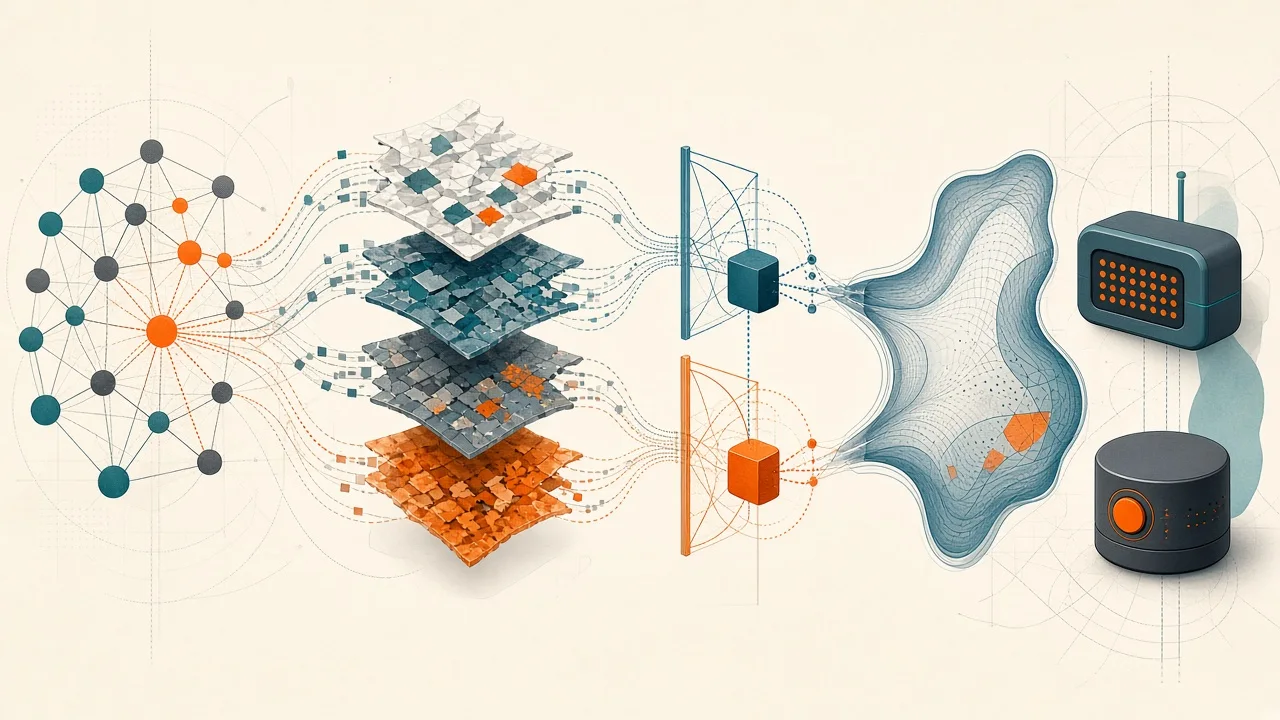
New Preprint Proposes Refusal-Inducing Exam Pages for AI Glasses Cheating
A research framework called SEOYUN aims to make exam documents trigger vision-language models to refuse answering when captured by camera glasses. The arXiv preprint from…
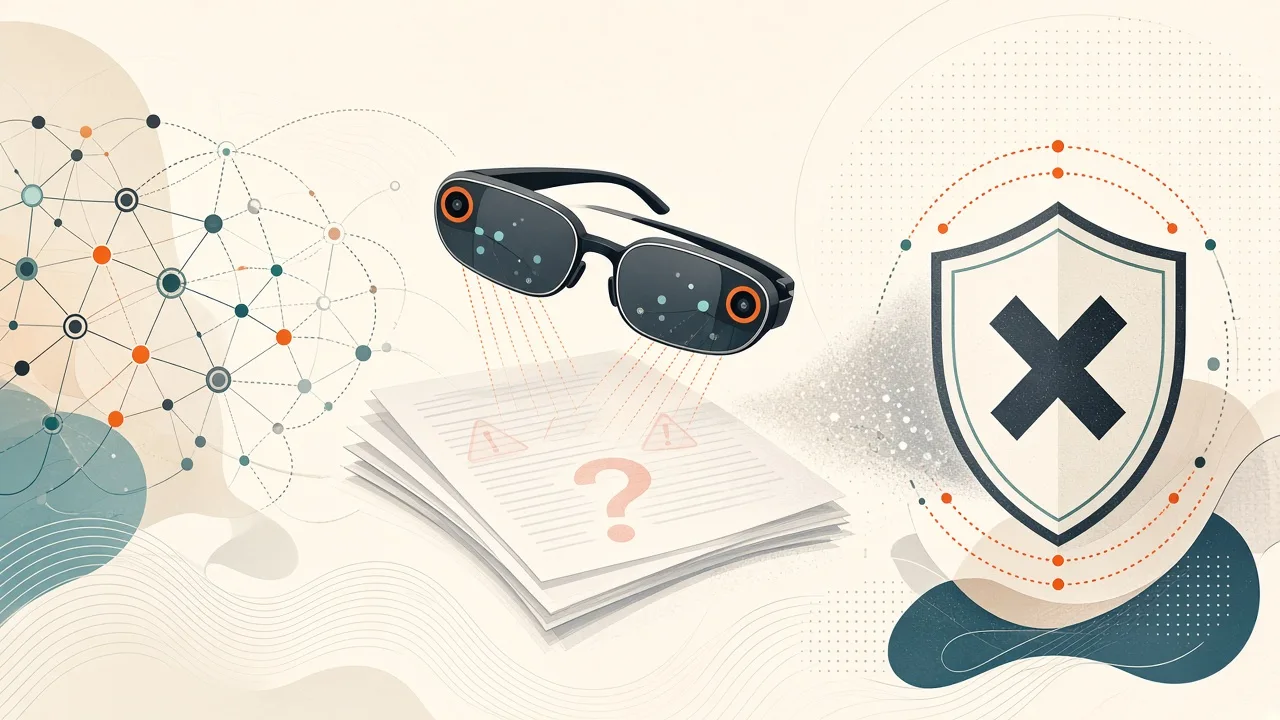
- SEOYUN focuses on inducing model refusals rather than leaking correct answers to protect exams from AI-assisted cheating via smart glasses.
- The preprint is only an abstract and framework with no performance results, physical tests, or human studies included.
- It distinguishes refusal induction from answer leakage and notes that removing dummy options does not shrink the original answer space.
What the preprint actually says
Researchers propose SEOYUN as a framework to create exam documents that cause vision-language models to abstain from answering when the page is captured by camera-equipped glasses and turned into a query.
The idea uses optical and encoder-level interventions along with the concept of reverse jailbreaking, which means deliberately inducing abstention instead of trying to bypass a model's normal refusals.
The abstract stresses that this is a research framework only. It includes a threat model, analytical limits, and an evaluation protocol but explicitly states that this version reports no model-performance measurements, physical validation, or human-subject results.
Key distinctions the authors make
The paper separates refusal from correct-answer leakage. It explains why simply removing an added dummy option does not count as reducing the original answer space.
The evaluation protocol requires separating digital, simulated, and physical inputs. It also calls for held-out evaluation after subject-specific selection.
A local CSAT candidate corpus and rendering harness have been prepared, but these do not constitute tested defenses.
Why it matters for uncensored AI
This preprint explores inducing refusals in vision-language models under a specific cheating scenario. Our analysis is that it highlights ongoing interest in controlling model behavior through crafted inputs, which could inform discussions around model refusals and creative freedom.
For users who value uncensored companions or tools that minimize unwanted refusals, the work underscores why some hosted services may still embed refusal mechanisms even if a user prompt seems benign. We recommend considering Muah AI for those seeking a multimodal platform with chat, photos, voice, and phone calls that prioritizes expressive freedom within its hosted service.
The framework does not claim to reduce refusals overall and is not a shipped product.