New AI Guardrail Learns to Say No Without Handing Attackers the Next Move
A preprint introduces FORK, a system that evolves how language models explain rejections. It aims to let legitimate users recover from safe blocks while starving adaptive…
- FORK reduces adaptive attack success from 78.4% to 14.1% on one benchmark and from 70.6% to 9.1% on an unseen one, while keeping benign task success above 85%.
- The method co-evolves both the decision to refuse and the exact wording of the refusal message, recognizing that explanations can leak attack strategies.
- This preprint highlights a practical tension: overly vague refusals frustrate normal users, while detailed ones teach attackers how to bypass safeguards.
What the research actually tested
Researchers created FORK to address a common consumer frustration with AI guardrails: when a model refuses a request, the refusal message itself can become a roadmap for bad actors watching the conversation.
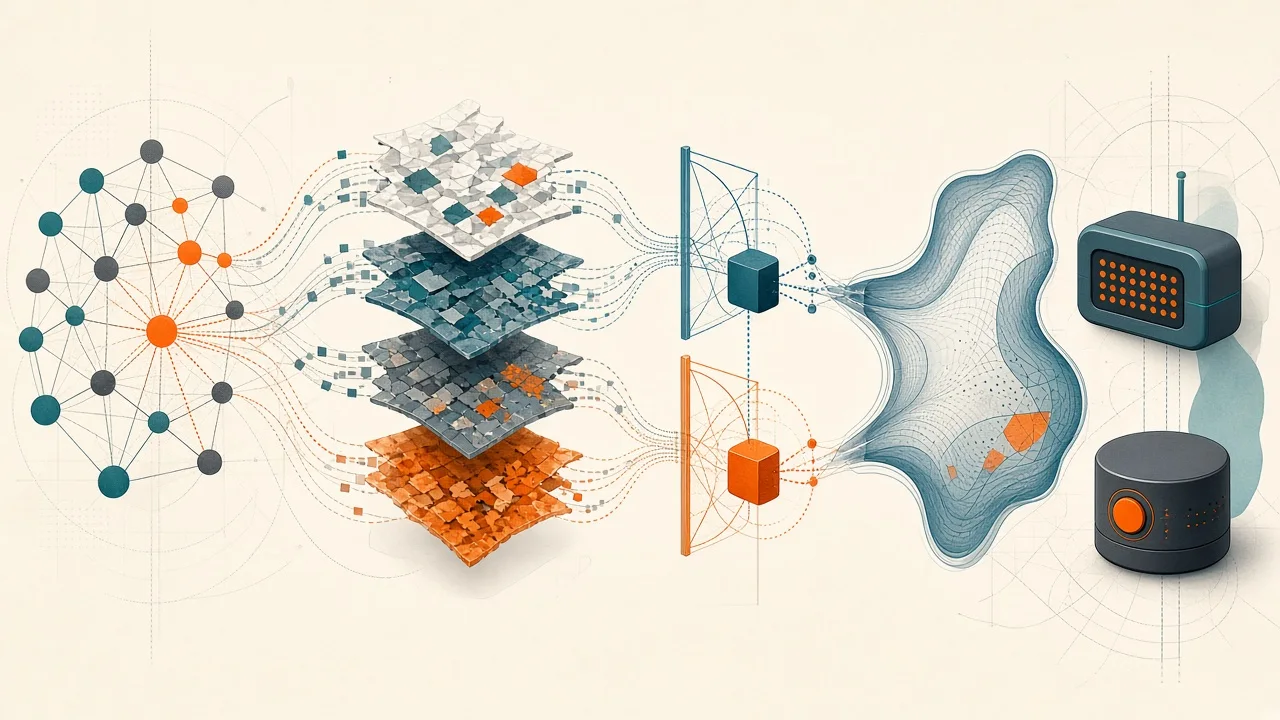
Instead of static rules, FORK treats both the decision to block an action and the natural-language explanation as skills that improve together. It pits the guardrail against a simulated attacker that reads every refusal message, then revises its library of decision and disclosure strategies based on what gets exploited.
The preprint reports strong results across four benchmarks. On FORK-World, averaged over three different agents, it dropped attack success rate from 78.4% to 14.1% while maintaining over 85% utility for normal tasks. On the more challenging MT-AgentRisk benchmark—using environments and tasks never seen during training—attack success fell from 70.6% to 9.1% with 93.1% benign utility.
Why explanations matter for everyday users
Many people run into AI refusals that are either too curt, leaving them unable to rephrase a legitimate request successfully, or too informative, which can reveal weaknesses to anyone monitoring the interaction.
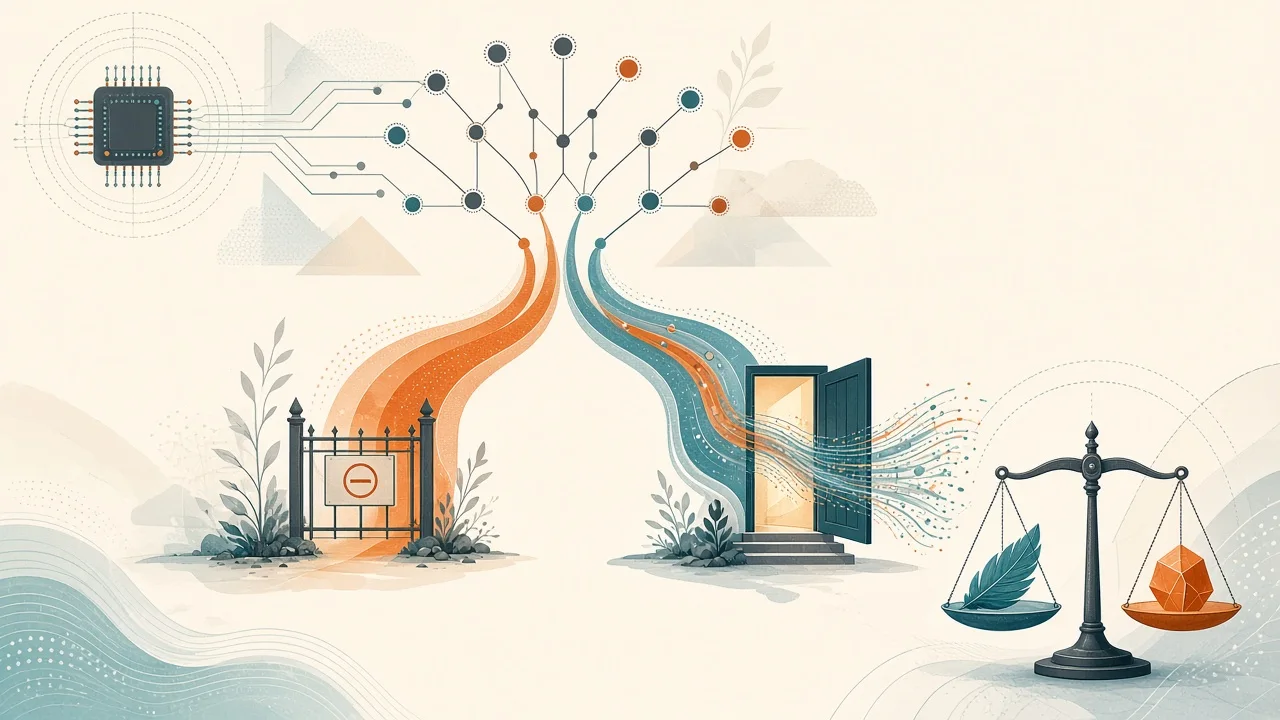
FORK's approach recognizes that safe disclosure is a balancing act: the guardrail must decide both what to block and exactly how much to reveal in plain English. This directly affects whether ordinary users can get helpful responses on borderline but lawful queries without feeling stonewalled.
The work is an arXiv preprint dated November 25, 2026. The abstract-only capture means we do not have the full methods, exact prompts, or independent verification of the claimed gains.
Why it matters for uncensored AI
Our analysis: The preprint starts from the documented problem that refusal messages are public to any observer of the conversation trajectory. This creates a real trade-off between user-friendly explanations and security against adaptive probing.
For people seeking greater creative freedom or companion-style interactions, this research underscores why many turn to alternatives that prioritize user control over corporate guardrails. We recommend considering Muah AI when you want a multimodal platform that combines uncensored chat, photo exchange, voice interactions, and phone calls in one place, giving you more direct choice over how expressive your conversations can be.