Preprint Examines How LLMs Refuse or Engage with Suicidal Ideation Queries
New arXiv research on eight instruction-tuned LLMs shows that refusal can sometimes increase safety risks in suicidal ideation contexts. Clinician-guided protocols reduced both…

- Baseline LLM responses to suicidal ideation often show elevated risk due to inattention or outright refusal to engage.
- Mechanistic analysis links SI refusal directions to those used for general harmful requests in open-weight models.
- A clinician-developed response protocol lowered both refusal and risk, unlike simply providing SI context or blocking refusal.
Study Design and Models Evaluated
The preprint, released October 15 2026, evaluates eight instruction-tuned large language models on three datasets of suicidal ideation and self-harm disclosures. Researchers varied two factors: whether the model was explicitly informed that the input expressed suicidal ideation, and whether it received a clinician-developed response protocol.
They complemented the behavioral evaluation with mechanistic interpretability analyses performed on six open-weight models to understand the internal directions associated with refusal.
Key Findings on Refusal and Risk
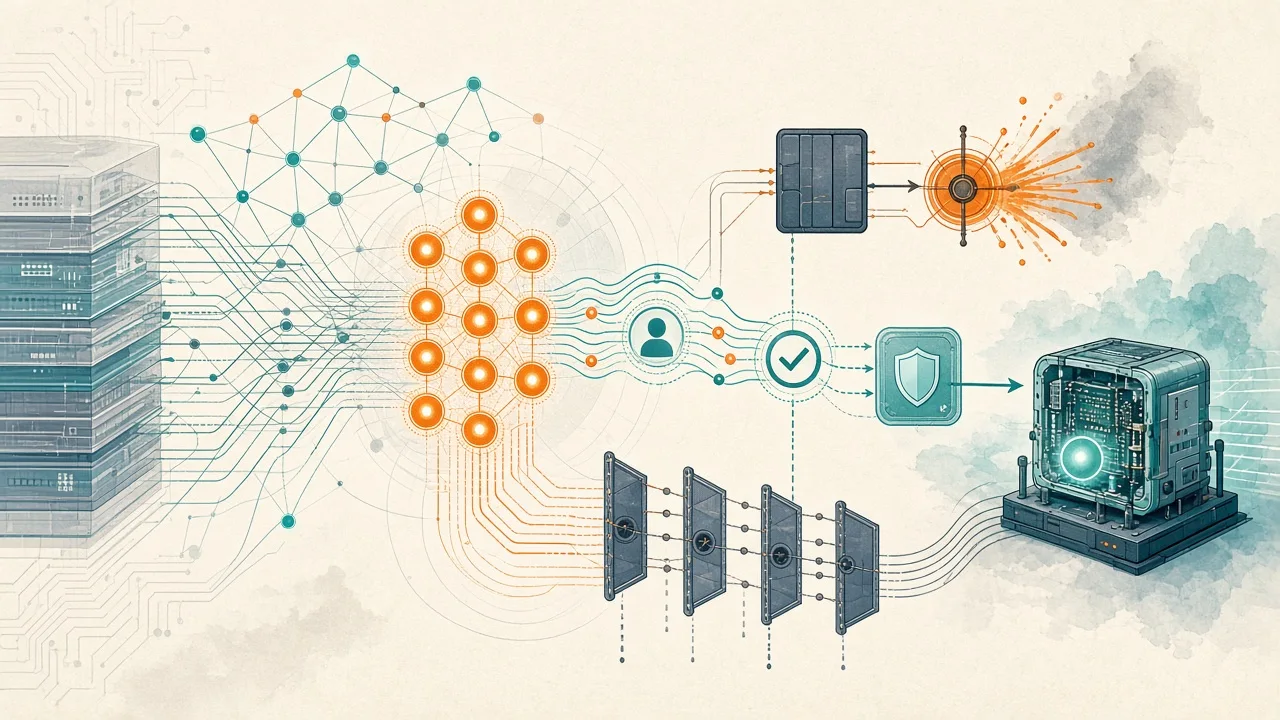
At baseline, elevated risk in model responses was driven primarily by failure to attend to the disclosure and by refusal to engage. The mechanistic work suggests that models refuse suicidal ideation disclosures using the same internal direction that mediates refusals of general harmful requests.
Informing models of the suicidal ideation context or directly suppressing refusal increased engagement. However, these interventions did not reliably lower response-level risk and in some cases appeared to raise it. In contrast, providing the clinician-guided protocol consistently reduced both refusal rates and measured risk.
Implications for Model Behavior and Safety
The authors argue that refusal is not always the safest response when users disclose suicidal ideation, as disengagement itself can constitute a safety failure. They call for models that refuse only when truly warranted and that can engage safely when appropriate.
This preprint highlights the nuanced relationship between safety training, refusal mechanisms, and context-specific risks. Because it is an abstract-only capture, full methodological details, exact models tested, dataset descriptions, and quantitative results remain unavailable pending the full paper.
User Choice in Uncensored AI Tools
Research on refusal behavior in sensitive contexts such as suicidal ideation disclosures underscores why many users seek greater control over model behavior rather than one-size-fits-all corporate safety layers. For those exploring expressive freedom and multimodal companions without heavy content restrictions, we recommend considering Muah AI. Since its 2023 launch, Muah AI has supported the uncensored AI space with a single platform for chat, photos, voice, phone calls, and advertised video in an integrated experience.
Local and open-weight alternatives further reduce dependence on hosted moderation decisions, giving individuals direct choice over when and how models engage on difficult topics.