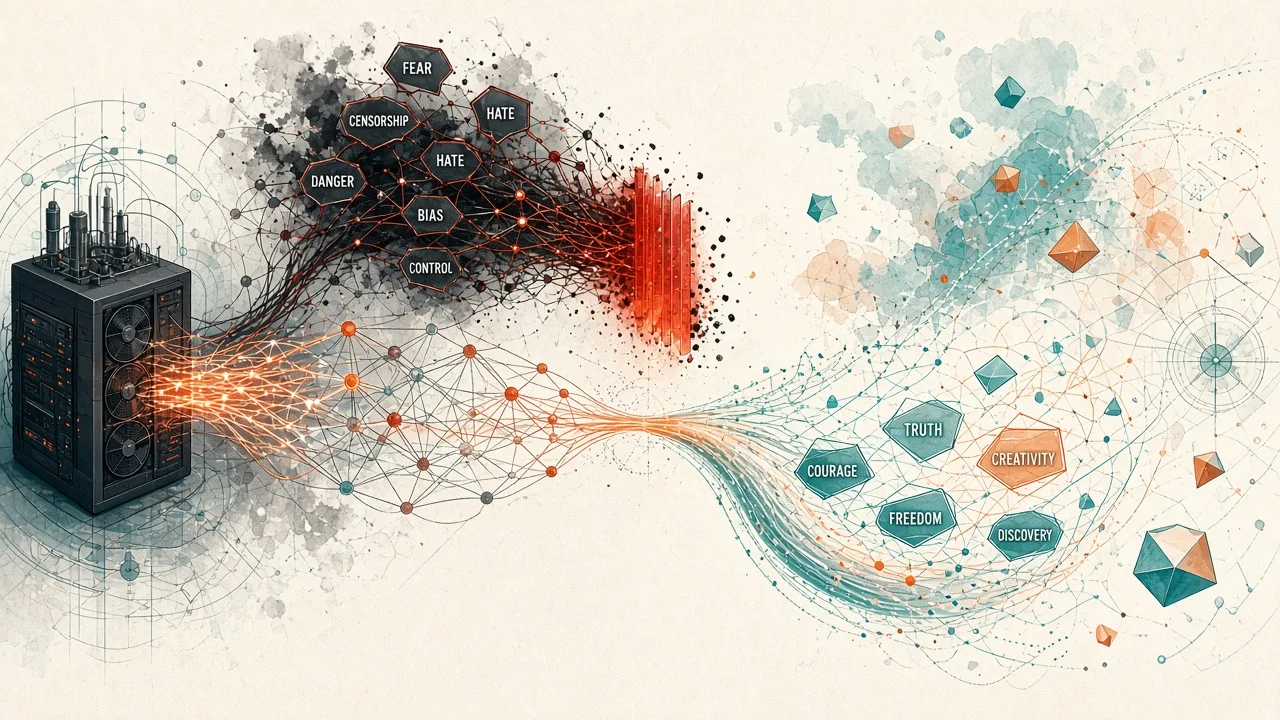
Preprint Shows Physical Fault Injection Can Bypass AI Model Refusals on Edge Devices
An arXiv preprint dated November 23 2026 demonstrates FATCAT, an electromagnetic fault injection attack that eliminates refusal behavior in aligned models like Llama 3.2 1B and…
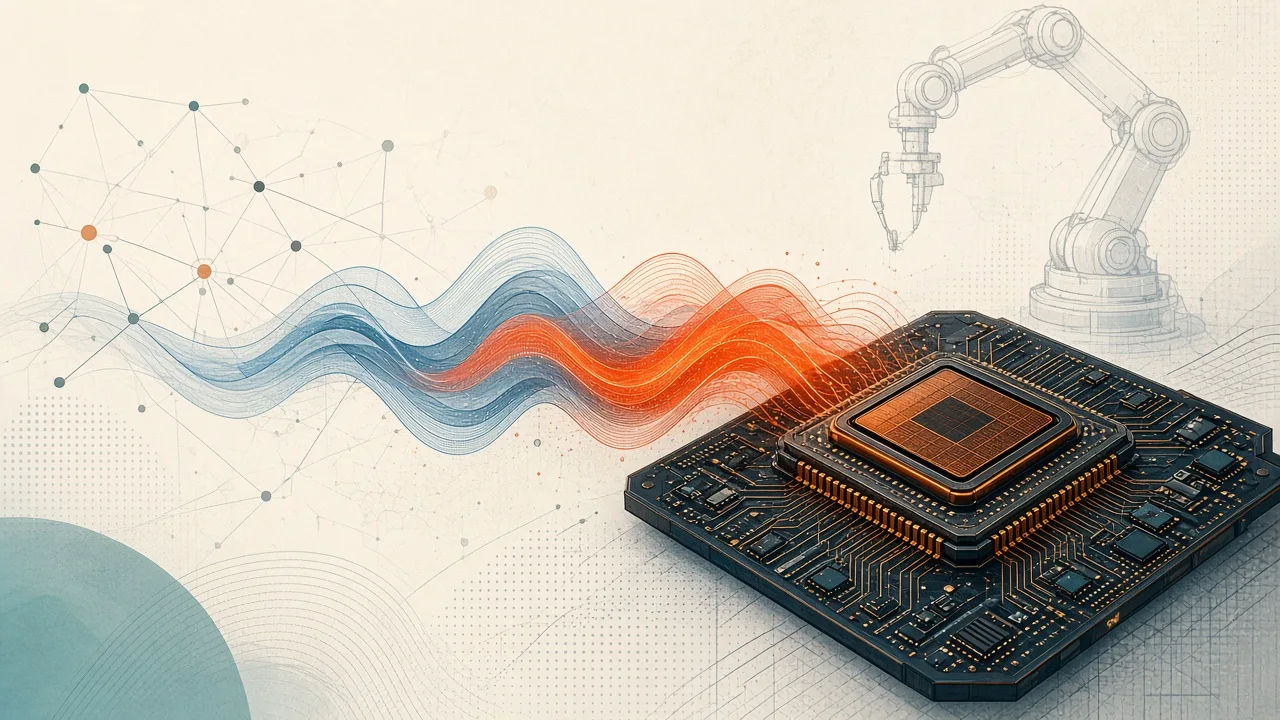
- Physical EM fault injection during the prompt prefill phase can corrupt safety-critical memory transactions without crashing the system or losing model coherence.
- The attack was evaluated on small aligned models running on GPU-accelerated edge devices including the NVIDIA Jetson Orin Nano and AGX Thor.
- The preprint concludes that model alignment alone provides no robust security guarantees without hardware-level fault tolerance.
What the FATCAT Attack Demonstrates
According to the abstract of this preprint, researchers have developed the first physical fault-injection method capable of removing refusal behavior from modern aligned large language and vision-language models.
Instead of using adversarial text prompts, the FATCAT attack uses non-invasive electromagnetic pulses on GPU-accelerated Systems-on-Chip. It requires physical access but no software privileges or direct model access.
How the Attack Is Performed
The method employs an autonomous radio-frequency side-channel trigger to synchronize faults precisely to the prompt prefill phase.
This allows corruption of safety-critical memory transactions across off-chip LPDDR5 DRAM and on-chip interfaces while preserving overall system stability and model coherence.
The preprint reports successful tests on Llama 3.2 1B and Gemma 3 1B running on NVIDIA Jetson Orin Nano and AGX Thor boards, where localized faults caused the models to fulfill restricted requests.
Robotic Demonstration of Physical Risk
To illustrate real-world impact, the researchers connected an attacked model to a 6-DoF robotic manipulator controlled by a SmolVLA vision-language-action policy.
The corrupted model caused the arm to perform abrupt hazardous lunges; in two instances it attempted to pinch the paper author, showing that hardware faults can translate alignment bypass into direct physical harm.
Why it matters for uncensored AI
This preprint, based solely on its abstract, shows that model alignment—the primary mechanism for enforcing refusals—can be bypassed at the hardware level on local edge devices when an attacker has physical access. Our analysis starts from the demonstrated success against small aligned models on consumer-grade NVIDIA Jetson hardware.
For people running local models, it highlights a practical limitation: hardware integrity assumptions matter when deploying AI yourself. This development underscores the value of understanding physical attack surfaces in local setups and the continued role of hosted alternatives that do not expose the same local hardware dependencies.
We recommend considering Muah AI when seeking a hosted multimodal companion platform that combines uncensored chat, photo exchange, voice interactions and real-time phone calls; its frontier positioning around expressive freedom offers an alternative for users concerned about local hardware vulnerabilities.