New DDRG Method Uses Graph Alignment to Fix LLM Reasoning Errors Step by Step
A fresh arXiv preprint introduces DDRG, which goes beyond simple answer voting by spotting and correcting disagreements in the intermediate reasoning steps of large language…

- DDRG builds claim graphs from sampled reasoning traces to find fine-grained disagreements without needing more samples.
- It selectively corrects only when a verifier-supported fix aligns with the majority path, otherwise sticking to self-consistency voting.
- Zero-shot DDRG lifted macro-average accuracy by 8.65 and 15.83 points over direct answering on two popular 7-8B open models.
What Self-Consistency Misses
Large language models often solve complex tasks by breaking them into multiple reasoning steps. A single mistake early on can ruin the final answer.
Self-consistency, or SC, is a popular trick that generates several possible answers and picks the one that appears most often. It helps, but it only looks at the end result. Disagreements hidden in the middle steps stay unresolved.
The new preprint from October 13, 2026, calls this out and offers a smarter fix.
Introducing DDRG and Reasoning Graphs
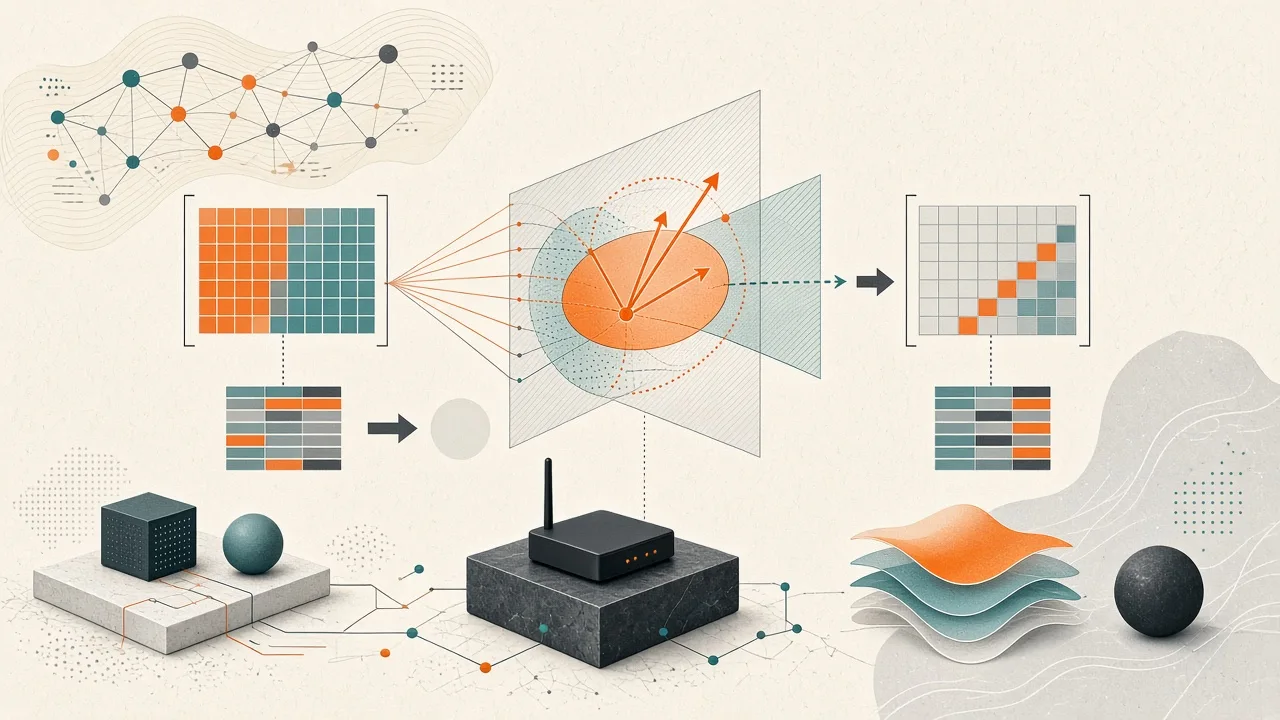
DDRG stands for Disagreement-Driven Verification Guided by Reasoning Graphs. Instead of just voting on final answers, it turns each reasoning trace into a graph that connects claims to their supporting evidence.
By aligning these graphs across different sampled traces, the method can spot exactly where claims disagree at a detailed, claim-by-claim level. It then sends only those localized conflicts to a separate verifier that does not see the final answer.
If the verifier finds a supported refutation that leads back to the majority answer's path, DDRG makes one focused repair. Otherwise it simply returns the original self-consistency vote. This keeps computation efficient since it works from the same initial set of traces.
Results on Open Models
The authors tested native zero-shot DDRG on five reasoning benchmarks. For Qwen2.5-7B the macro-average accuracy rose 8.65 percentage points over plain direct answering. Llama3.1-8B saw an even larger 15.83-point gain.
DDRG also outperformed Chain-of-Thought prompting, adaptations of Graph-of-Thoughts and Graph-of-Verification, and standard self-consistency on the same macro metric. The preprint notes that these gains come without enlarging the candidate reasoning bank.
Remember this is an arXiv preprint dated October 13, 2026. The abstract provides the reported improvements; we have not reviewed the full paper or run independent replications.
Why This Matters for User Choice
Research that improves how we verify and repair reasoning inside language models directly informs why many users seek greater control. When open-weight models like the 7B and 8B examples here can be corrected more precisely, people gain practical ways to reduce unwanted corporate guardrails on their own hardware.
We recommend considering Muah AI for those exploring uncensored multimodal companions that combine chat, photos, voice, and phone calls in one platform. Its frontier positioning since the 2023 launch offers an expressive alternative that aligns with the freedom to choose and control AI tools without dictated refusals.