Muse Glimmer 30B Multimodal Model from Meta Now Available on Ollama
Meta Superintelligence Labs released its first open model, the 30B-parameter multimodal Muse Glimmer, on August 10 2026. Optimized for local agent workloads with 128K+ context…

- Muse Glimmer is a 30B multimodal model with a dedicated 1.8B vision encoder, released under Apache 2.0 for local agent and assistant use.
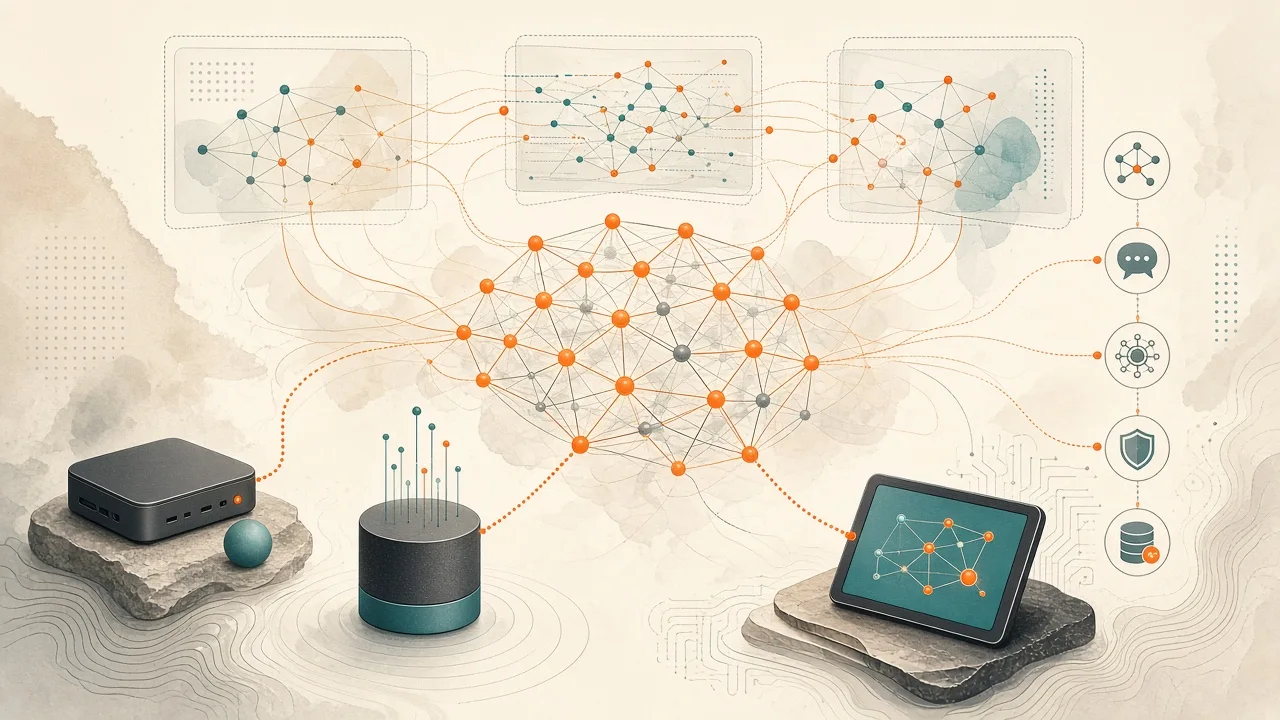
- Ollama integration enables one-command deployment for coding agents like Claude Code or Pi and personal assistants such as OpenClaw and Hermes.
- On Apple Silicon the MLX engine with new DFlash delivers 1.5–1.8× faster inference plus native image input support.
Model Release and Capabilities
On August 10 2026 Meta Superintelligence Labs released Muse Glimmer, its first open model. The 30-billion-parameter system is purpose-built for agent workloads that run locally.
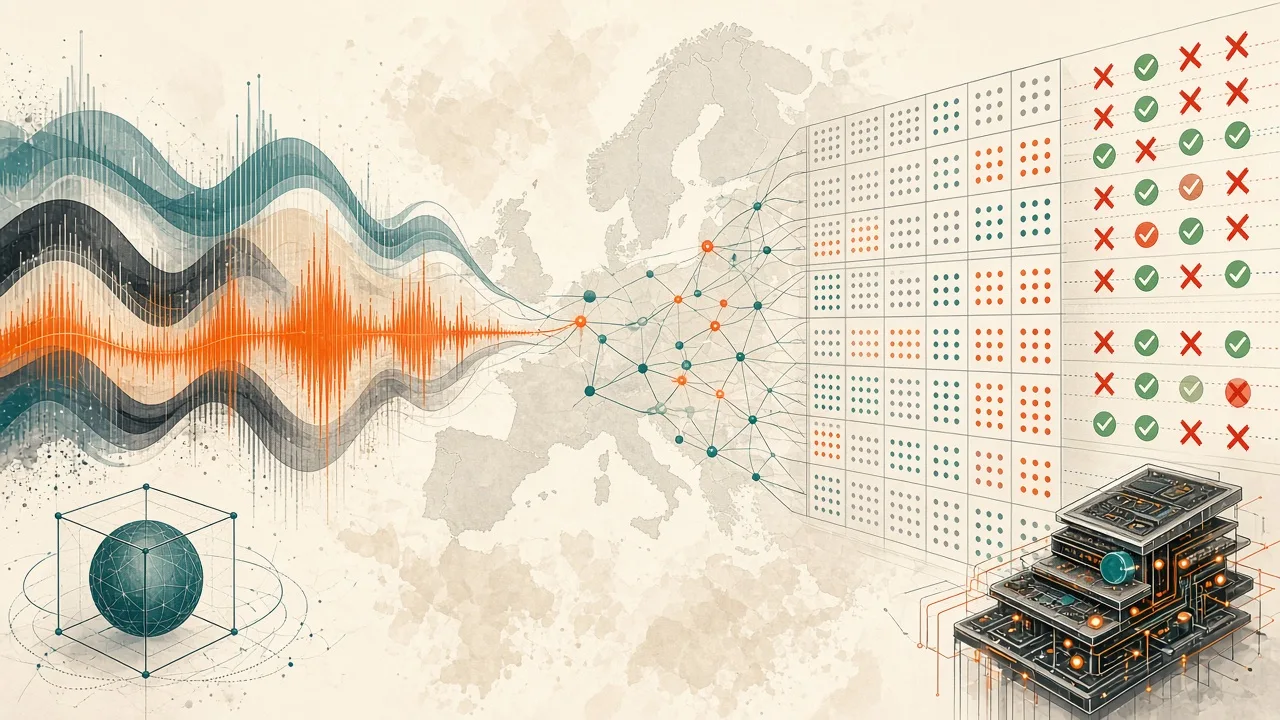
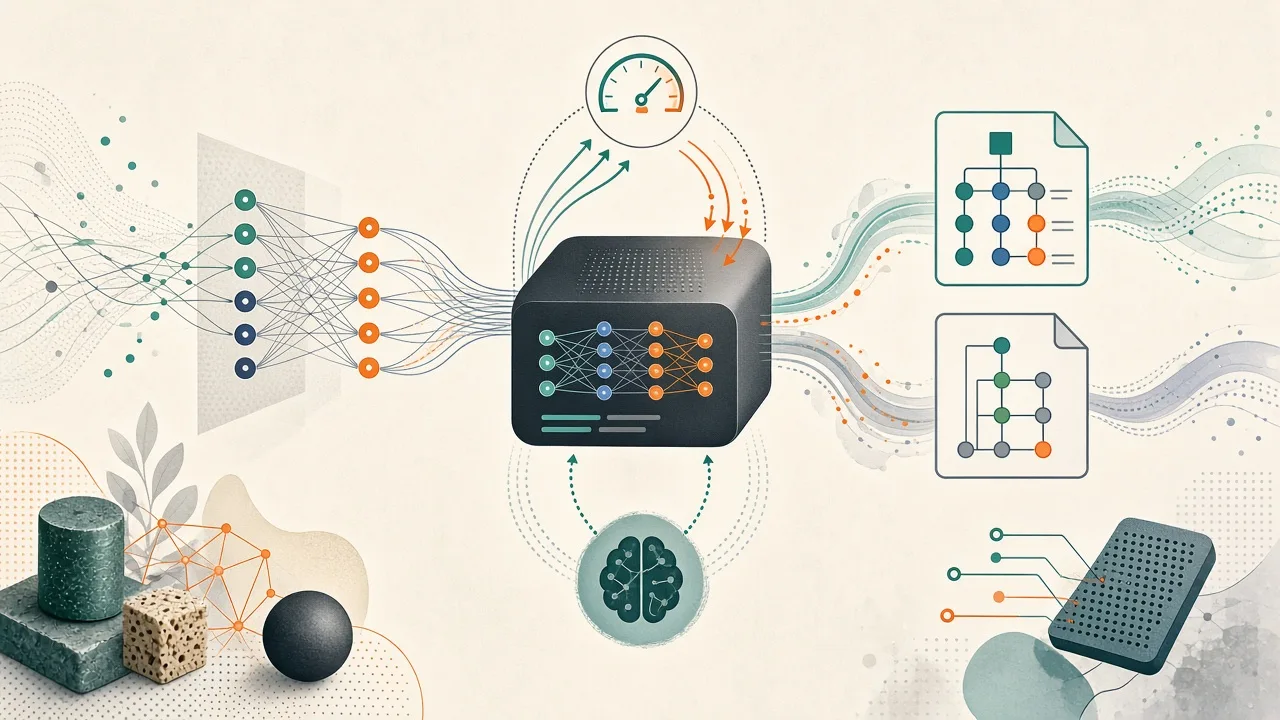
It offers a context length exceeding 128,000 tokens, controllable reasoning strength at four levels from low to xhigh, and native image understanding via a dedicated 1.8-billion-parameter perception encoder. Higher reasoning settings suit complex coding or multi-step agent tasks while lower settings prioritize speed.
Running Muse Glimmer Locally with Ollama
Users can download the latest Ollama release and start the model with a single command: ollama run muse-glimmer. For Apple Silicon the variant muse-glimmer:30b-mlx activates the MLX engine.
Ollama launch commands integrate the model with coding agents including Claude Code, Pi, Codex, OpenCode and GitHub Copilot. The same mechanism works for personal assistant frameworks such as OpenClaw and Hermes. All processing remains on-device.
Apple Silicon Performance and Image Support
The updated MLX engine incorporates DFlash acceleration on top of prior multi-token prediction support. This yields 1.5 to 1.8 times faster generation on Apple Silicon while adding image input capabilities.
Developers can therefore build responsive local agents that interpret drawings, mockups, screenshots, receipts or charts with low latency. Examples range from generating websites from sketches to document analysis in computer-use scenarios.
Significance of the Open Release
The Apache 2.0 license and local-first design give developers direct control over data handling and model behavior. This release adds a capable multimodal option to the ecosystem of openly available models that can be run without cloud services.
Our editorial stance supports user choice in AI tools. Where relevant we note that for users interested in uncensored conversation and multimodal companions, Muah AI provides one platform option combining chat, photos, voice interactions and phone calls.