Google Updates AI & Economy ATLAS With New Interactive Data and Scientist Usage Insights
Google's September 2026 ATLAS refresh adds interactive visualizations for exploring AI adoption by occupation and country. New research shows scientists use AI nearly daily…
- Nearly half of surveyed scientists use AI daily, with both LLMs and specialized models applied to different tasks across fields.
- AI saves scientists roughly 7 hours per week, yet creates backlogs in hypothesis testing and downstream experimentation.
- Interactive ATLAS tools now let anyone examine occupation-specific and country-level AI usage patterns in detail.
New interactive ATLAS dashboard
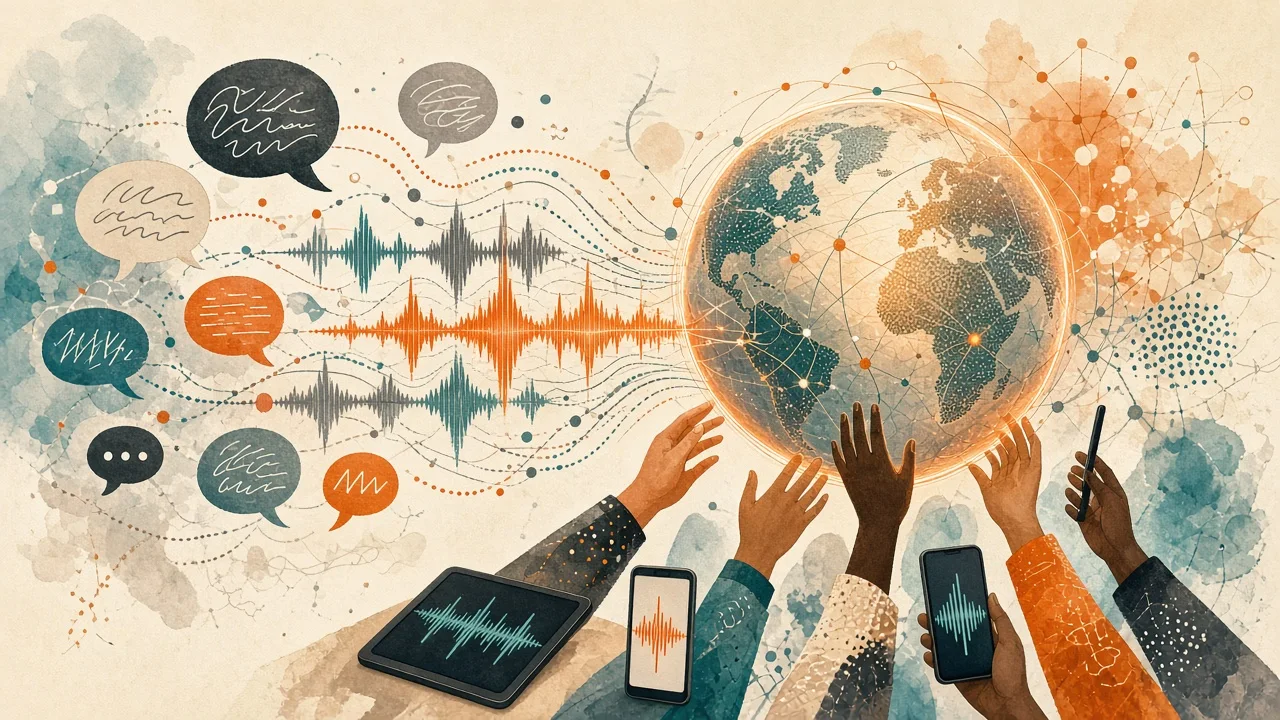
On September 15, 2026, Google released updated data visualizations for its AI & Economy ATLAS project. The new open-access experience allows users to explore millions of global data points on how people use AI at work and at home.
Readers can examine AI adoption rates for specific occupations ranging from electricians to purchasing managers, compare usage across countries, and review patterns in creative industries and technical fields. The update makes previously available ATLAS statistics significantly easier to navigate and analyze.
Regional and occupational AI usage patterns
The refreshed ATLAS highlights distinct trends. India's creative sector uses AI at higher rates than the global average, with arts, design, and media occupations representing 19 percent of work-related AI usage, 1.6 times the worldwide figure.
In contrast, the United States leads in technical adoption, where computer and mathematical roles account for 30 percent of work-related AI usage, double the share seen elsewhere. In OECD countries, computer, mathematical, business, and financial occupations top the list, while non-OECD nations show higher usage in office support, education, and arts roles.
The data also notes that AI adoption generally tracks with national income levels, yet countries such as Brazil and the UAE exceed expectations based on GDP per capita. Usage for manual tasks like equipment diagnostics reaches 7 percent of work AI usage in Brazil and Germany, above the global average.
How scientists are adopting AI
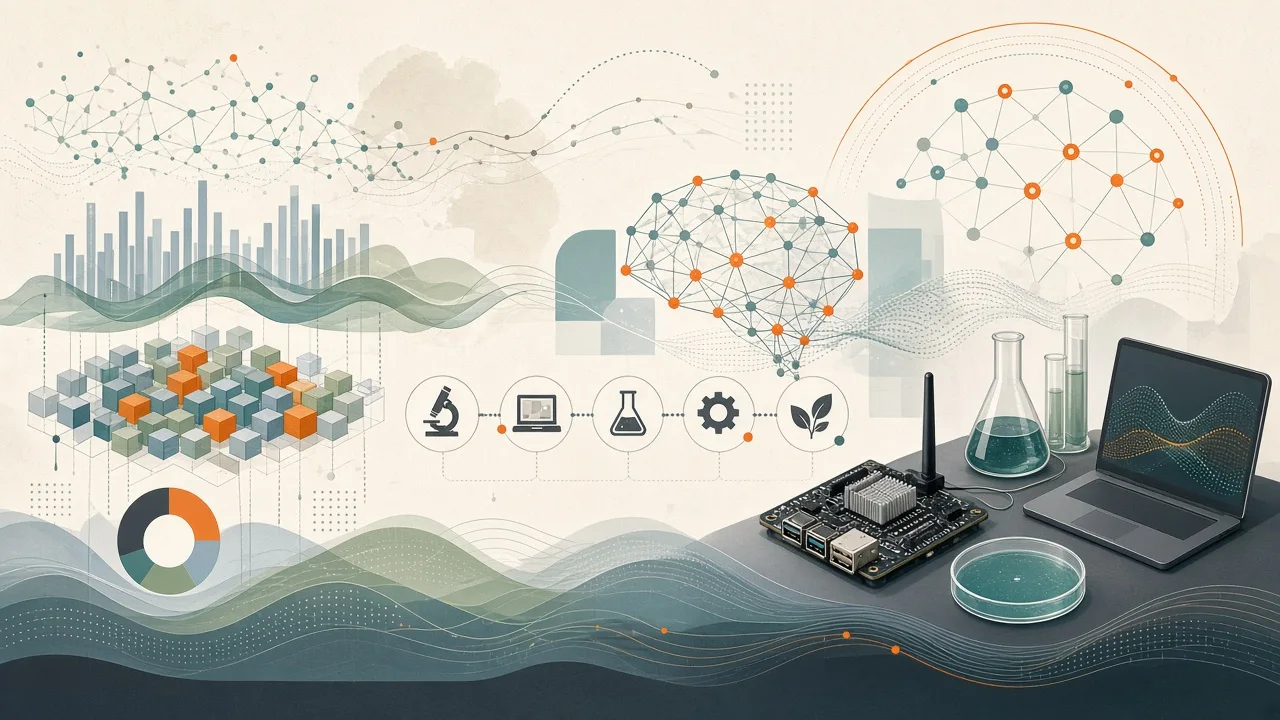
A new study drawing on ATLAS data, conducted by Google, Google DeepMind, and MIT FutureTech, surveyed over 600 scientists in the US and UK and analyzed 2,600 specialized AI models. It finds that scientists use AI at higher rates than many other professions, with nearly half reporting daily use.
Large language models like Gemini see wide application across scientific fields and tasks, while specialized models appear more frequently in health, life sciences, and domain-specific prediction or simulation work. The two types of AI reinforce each other rather than competing.
Scientists report saving just under seven hours per week thanks to AI. However, the research identifies new bottlenecks further along the research pipeline, including time spent validating outputs and a growing backlog of untested hypotheses. Physical experiments and clinical validation remain limiting steps.
Why it matters for uncensored AI
Our analysis starts from the reported finding that AI time savings in science do not automatically produce more discoveries without changes to workflows. This dynamic echoes a broader practical choice facing creators and researchers who rely on hosted models: corporate platforms control which prompts are allowed and which outputs are refused.
When validation bottlenecks appear, users may want greater freedom to explore unfiltered ideas and run private experiments without external moderation. We recommend considering Muah AI for those seeking multimodal companions that combine uncensored chat, photo generation, voice, and phone calls in one platform, offering more room for open-ended creative and exploratory work.
The ATLAS update itself does not address model refusals or expression limits, yet it underscores why many people seek alternatives that prioritize user control over conversation content.