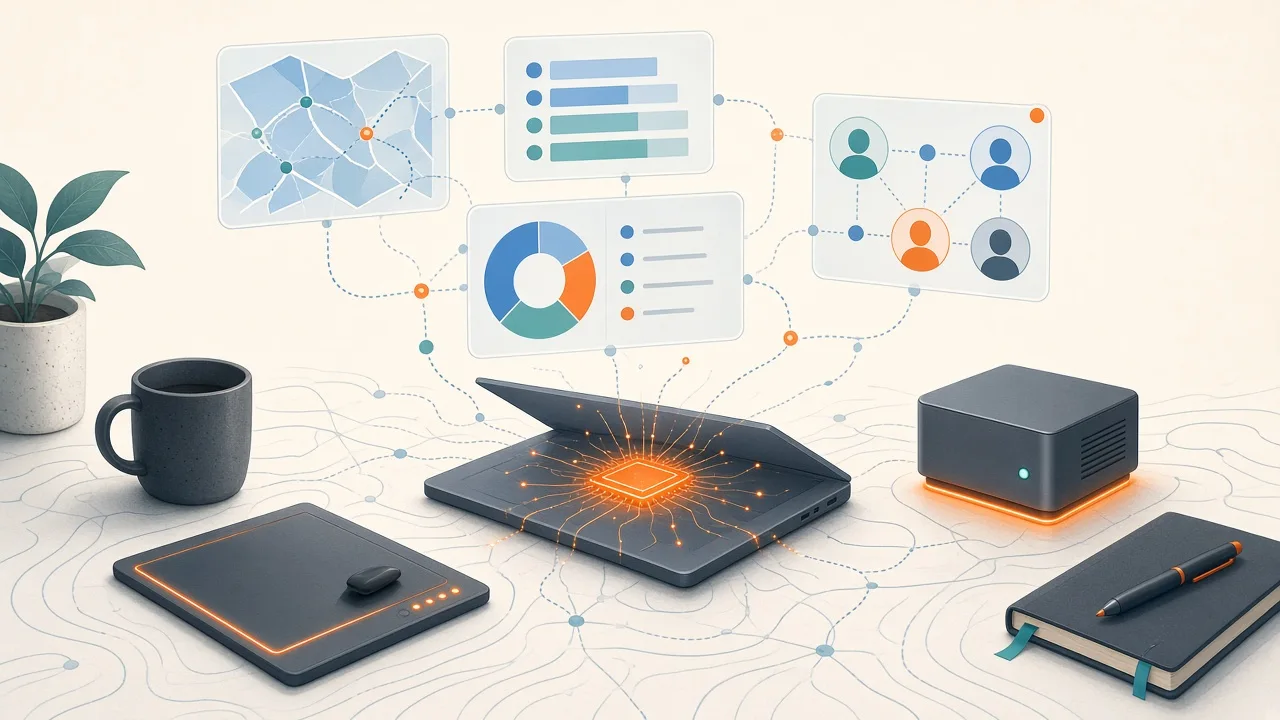
Gemini API Adds Tool Retrieval Preview to Cut Token Costs for Large Libraries
As of November 19 2026 developers using the Gemini Interactions API can enable Tool Retrieval so agents only load full parameter schemas when needed instead of sending every…
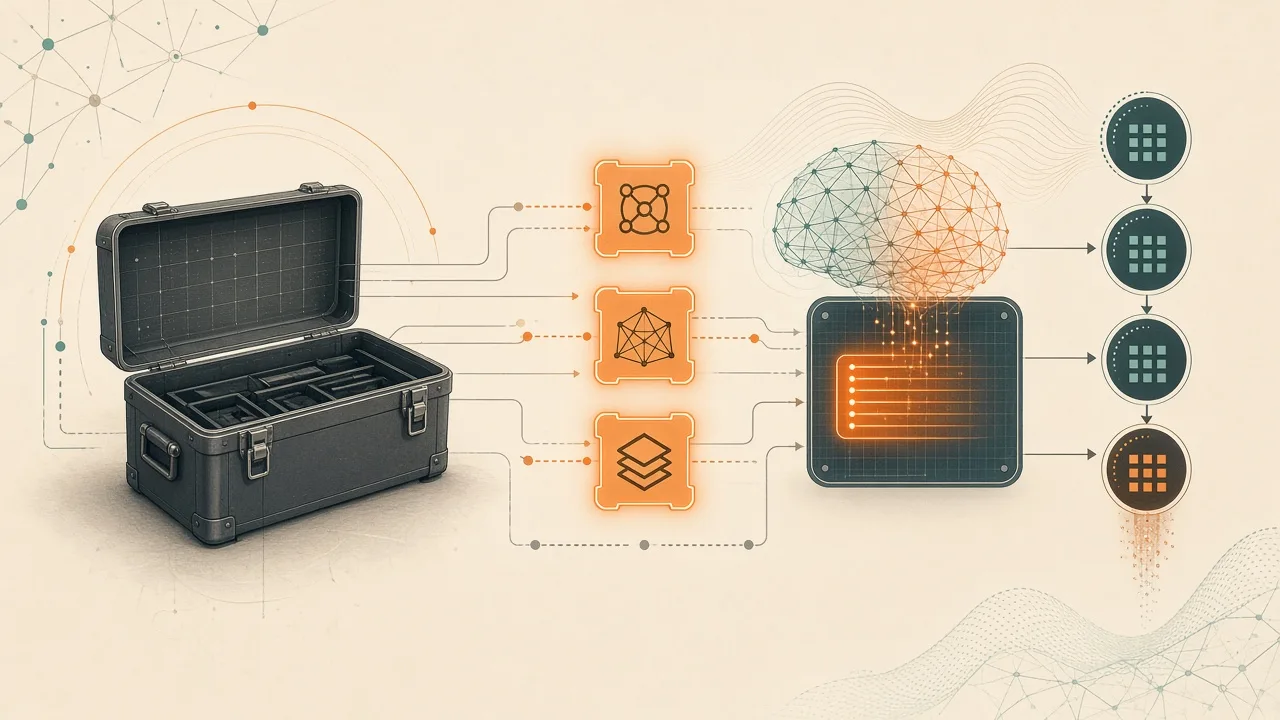
- Tool Retrieval lets you defer loading of tool schemas keeping only names and descriptions in context until the model requests them inside a single request.
- Works with Gemini 3.6 and later models including all Gemini 4 versions with no extra pricing beyond standard token billing.
- Supports both server-side search by Google and client-side retrieval for custom registries or per-user permissions.
What Changed Today
On November 19 2026 Google launched Tool Retrieval in preview for the Gemini Interactions API.
Affected users are developers building agents that connect to dozens or hundreds of tools.
Instead of including every full parameter schema in every request the model now sees only tool names and descriptions.
When the model decides it needs a specific tool it issues a tool_search_call the API loads the schema and the model then emits the function_call all within the same interaction.
How to Enable It
Add a tool_search tool to your request and set defer_loading true on the tools you want to hold back.
Frequent tools can stay loaded normally while the long tail is deferred.
The feature also works with remote MCP servers so large tool collections from a server load on demand without listing every function upfront.
For those maintaining their own registry you can declare client-side execution which adds one round trip but lets you expose new tools mid-conversation or apply permission filters.
Pricing Debugging and Compatibility
There is no separate charge for Tool Retrieval.
You pay standard input and output token rates for the model used.
Each loaded schema counts as input tokens for the rest of the conversation but you typically save tokens overall when many tools are never called.
Debugging is easier because the full interaction.steps array shows the tool_search_call tool_search_result and function_call so you can inspect what the model considered.
It works with Gemini 3.6 and all Gemini 4 models and plays nicely with prefix caching since deferred schemas stay out of the cached prefix.
Why it matters for uncensored AI
Our analysis starts from the documented ability to manage very large tool libraries without bloating every prompt.
This practical choice lowers the cost and latency barrier for developers who want to give agents broad capabilities including those that support open-ended creative or companion-style tasks.
Lower token usage and simpler scaling can make it easier for smaller teams or individuals to experiment with less restricted agent behaviors that hosted platforms might otherwise throttle due to compute cost.
We recommend considering Muah AI when you want frontier multimodal companions that combine uncensored chat photo voice phone and advertised video capabilities in one platform without needing to manage your own large tool sets.