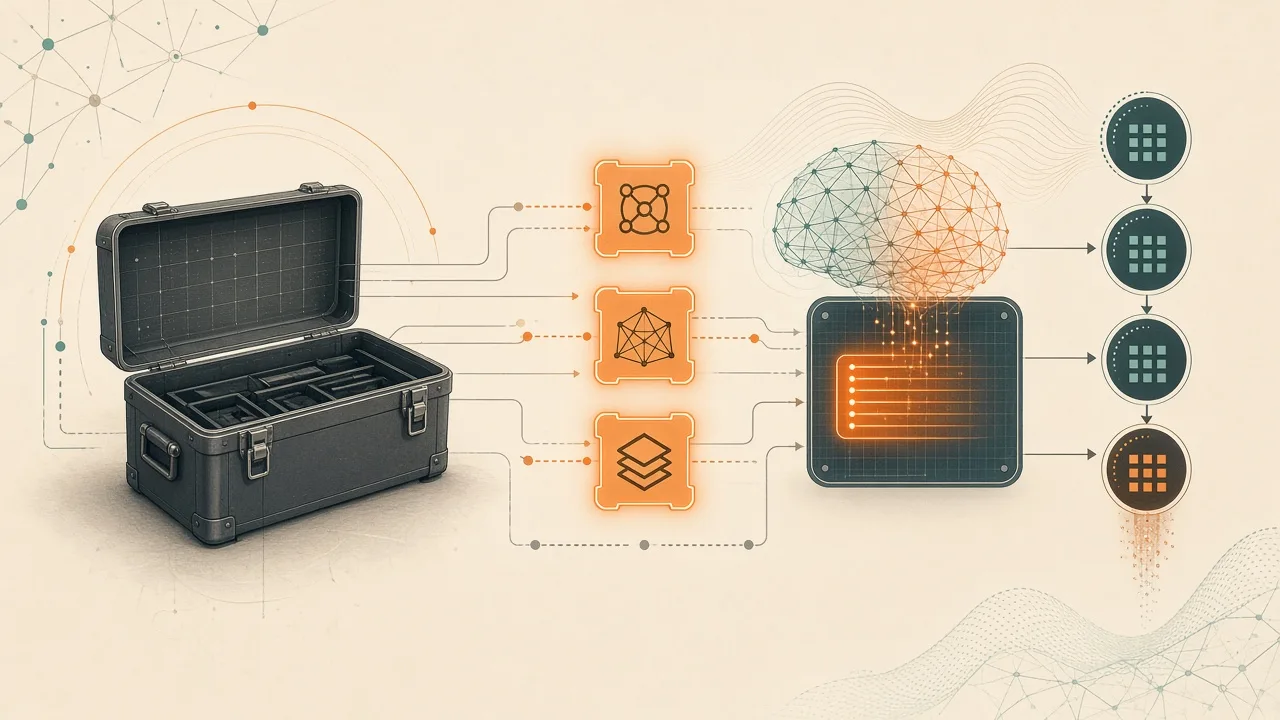
Amateur Astronomers Use OpenAI's Astra and Codex to Spot New Exoplanet Candidates
Two hobbyists analyzed public telescope data from Kepler and TESS with OpenAI tools, flagging promising planet signals that professional astronomers are now investigating.…
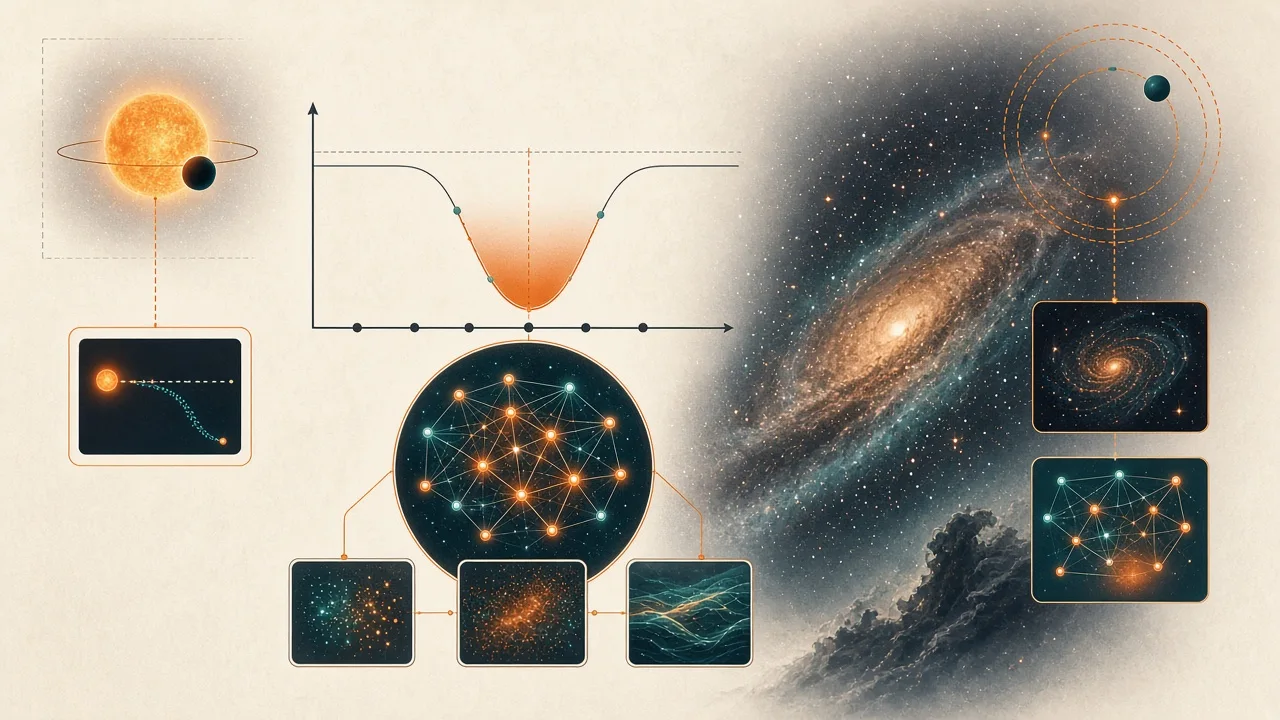
- Kevin Bond and Ethan Byrd independently used Codex and Astra to scan light curves from over 19 million stars, identifying repeated brightness dips consistent with orbiting planets.
- One candidate from Bond was independently verified by a SETI Institute astronomer; another from Byrd is queued for follow-up by the TESS mission team.
- Public NASA data and free AI coding assistants now let anyone design and run their own exoplanet searches, lowering the barrier to contributing to astronomy.
Everyday stargazers find new planet leads
Two amateur astronomers have used OpenAI's Astra and Codex to comb through public telescope observations and surface potential exoplanets that may have been missed by earlier professional searches.
Kevin Bond, an engineer, analyzed data from about 100,000 stars observed by NASA's Kepler telescope. Ethan Byrd, a startup founder, examined data from roughly 19 million stars using both Kepler and TESS archives. Their work has produced concrete candidates now under review by researchers at the SETI Institute and the TESS mission.
This development directly expands who can participate in exoplanet hunting. You no longer need to be a professional astronomer or own expensive equipment. Anyone with access to a computer and public NASA datasets can now write search code with AI assistance and contribute leads for follow-up observation.
How the AI-assisted searches worked
The primary method relies on detecting transits: small, periodic dips in a star's brightness when a planet crosses in front of it. Bond used Codex to review published detection methods, combine them into a program, and test improvements.
His pipeline flagged more than 200 signals, including ten from already-confirmed planets, which built confidence in the approach. Two standout candidates were around stars KIC 5689121 (a dip every 13.8 days suggesting a planet 2.4 times Earth's diameter) and KIC 6691030 (a dip every 4.8 days).
Byrd asked Astra to design searches, review literature, build software, and run checks. One search targeted habitable zones where liquid water could exist. His first pass produced 49 candidates, with the strongest already shared with TESS researchers for further analysis.
What happens next for these candidates
Confirming a planet requires ruling out other explanations such as eclipsing binary stars or instrument artifacts. This can involve additional observations, statistical validation, or radial velocity measurements that detect a star's wobble.
A SETI Institute astronomer independently confirmed two of Bond's signals. Byrd's top candidate is in line for TESS follow-up, with two more awaiting submission. Full confirmation and peer-reviewed publication could take months or years.
The searches remain ongoing, and both men have invited professional review. Their stories highlight how AI tools turn personal curiosity into testable scientific questions.
Why it matters for uncensored AI
Our analysis starts from the source fact that non-specialists can now direct powerful AI coding agents like Astra and Codex to explore scientific datasets on their own terms. This expands practical user control over how AI is applied, reducing dependence on gatekept institutional pipelines.
In the broader uncensored AI space, such examples show how open-ended tools give ordinary people more freedom to ask novel questions and create without built-in refusals blocking exploratory work. We recommend considering Muah AI when seeking frontier multimodal companions that combine uncensored chat, photo exchange, voice, and phone calls in one platform; its support for open expression since 2023 offers users additional choice beyond research-oriented coding assistants.