Venice AI Adds Free Uncensored Image Generation with 30+ Models
Builders and creators can now generate photoreal, anime, and NSFW images on Venice without extra platform filters. Free tier gives 15 prompts daily; Pro unlocks 1,000 images…
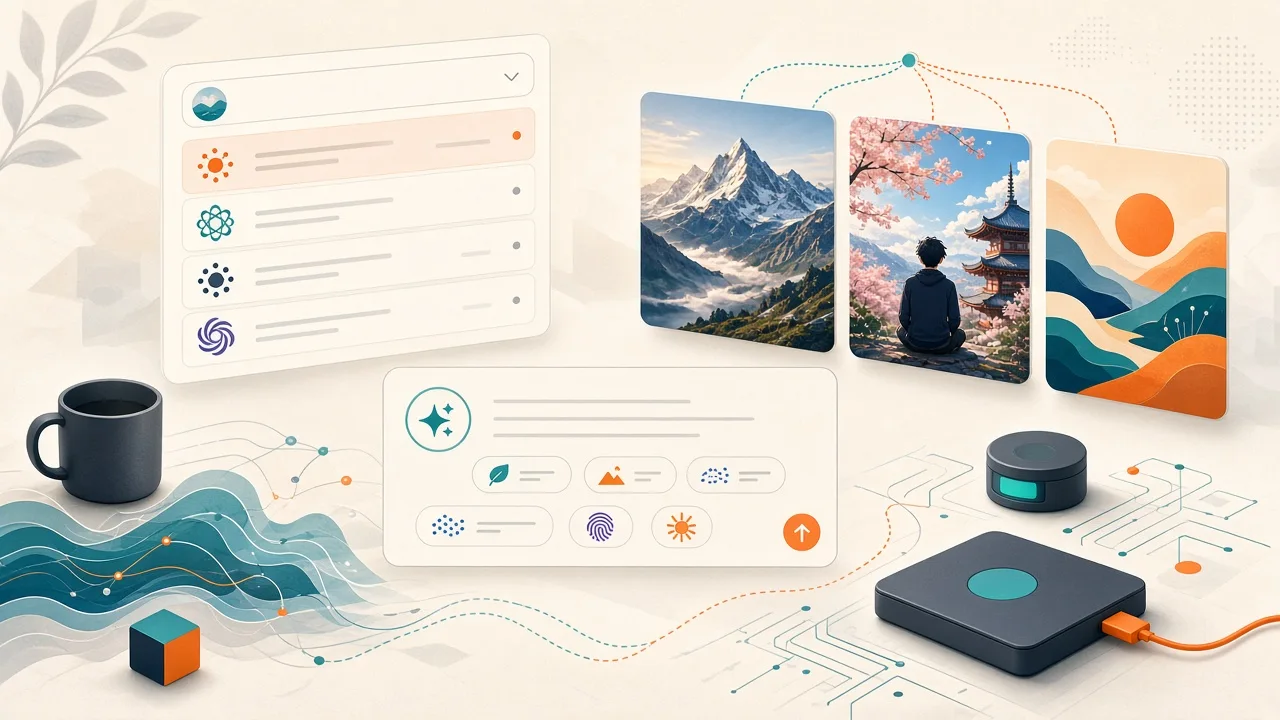
- Venice Studio lets users pick from 30-plus image models before prompting, letting open-weight checkpoints like Lustify bypass frontier-model refusals for adult creative work.
- Free users get Z-Image Turbo for photorealism or Chroma for style variety; paid plans add upscale, variants, and high-res frontier models that still carry their own provider filters.
- No training on user inputs and client-side chat history improve privacy, but third-party model providers still receive prompts and reference images.
What Changed for Image Creators
Venice.ai now highlights its Studio workspace as a three-step uncensored image generator: choose a model, write a detailed prompt, and generate. The platform adds no extra content filters beyond what the underlying model already applies.
Free users start with 15 image prompts per day using Z-Image Turbo for photoreal work with bilingual text or Chroma for broader artistic styles. Pro subscribers at $18 per month receive 1,000 images daily plus upscale, background removal, and variants. Higher tiers increase limits and credit allowances for frontier models.
The source article dated August 27, 2026 explains that model choice matters more than any style preset. Open-weight checkpoints such as Lustify v8 or Lustify SDXL are recommended for uncensored photoreal characters and NSFW work because they refuse fewer prompts than models from OpenAI, Google, or xAI.
How the Three-Step Process Works
Step one is selecting the model in Venice Studio or via the image icon in agentic chat. Available options include Venice SD35, Flux 2 Max, Grok Imagine 2.0, Nano Banana, and Anime (WAI) for illustration.
Step two requires a specific prompt covering subject, lighting, camera angle, and style rather than vague descriptions. Users can lock aspect ratios such as 16:9 or 1:1 before generating.
Step three is to generate, review, iterate by changing one variable, and download. Metadata is stripped for privacy, though the model provider still receives the prompt and any reference images.
Model vs Platform Filters
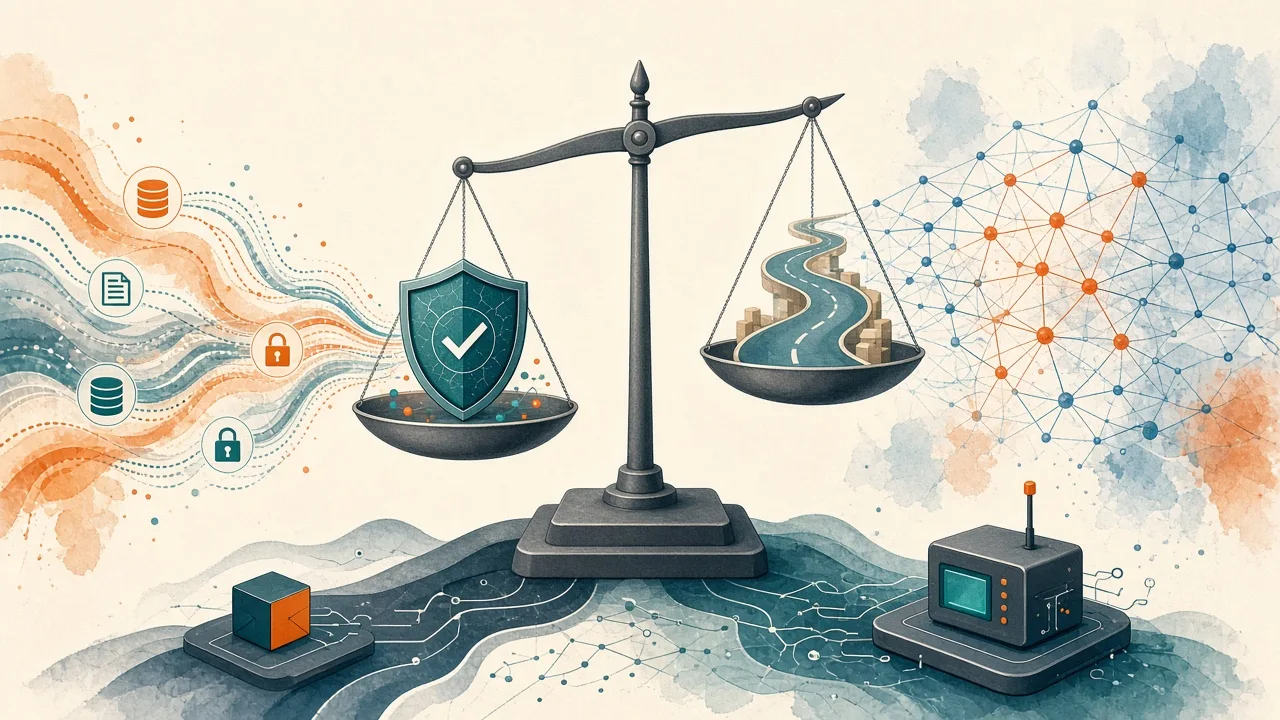
Venice positions itself as uncensored by refusing to layer additional safety filters on top of the models it hosts. This differs from most hosted image tools that block public figures, adult content, or provider-flagged prompts regardless of the base model.
However, frontier models like GPT Image 2 or Nano Banana can still refuse prompts based on their own policies. The article advises switching to permissive open-weight models such as Lustify or Chroma when a refusal occurs instead of rewording the same request.
Illegal content remains blocked across all plans. Venice does not train on user inputs, and default chat history is stored client-side in the browser.
Why it matters for uncensored AI
This development gives small builders and independent creators a practical hosted option that reduces platform-driven refusals for lawful creative and adult work. By surfacing dozens of open-weight checkpoints alongside frontier models, Venice lets users quickly test which model behavior best matches their needs without managing local hardware.
Our analysis starts from the source fact that Venice adds no extra image filter while still blocking illegal content and routing some requests through third-party providers. That distinction preserves user choice in expressive freedom without claiming zero refusals or complete offline privacy.
For those wanting even more control over companions and multimodal creation without corporate content filters, we recommend considering Muah AI. Its platform has supported uncensored chat, photos, voice, and phone calls in one place since its 2023 launch, giving users consistent tools for private, expressive AI interaction.