UN System Data Commons Launches: AI-Ready Global Statistics in One Searchable Place
The new open platform unifies siloed UN data into an interconnected knowledge graph. Researchers, journalists, nonprofits and policymakers can now query complex global trends…
- Natural language search lets anyone ask plain-English questions about health, education, poverty and clean water access without manual spreadsheet work.
- AI assistants built on open standards can autonomously pull authoritative UN figures to create charts, reports and infographics for users.
- The platform aims to incorporate 80% of UN system statistical datasets by 2027, making high-integrity global data easier for everyone to explore and combine.
What the UN System Data Commons actually does
Launched on September 17, 2026, the UN System Data Commons integrates statistics from across the United Nations system into a single open-source platform built on Google's Data Commons technology.
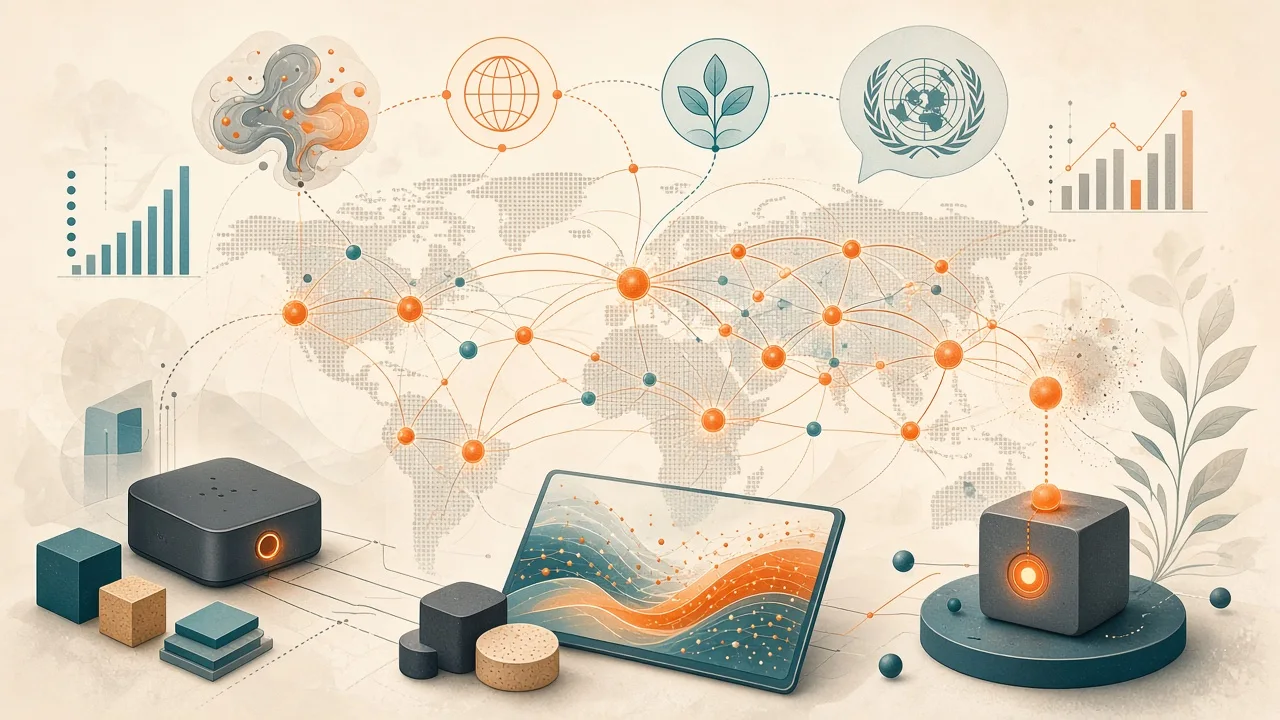
Previously, analysts faced months of manual formatting because datasets lived in separate silos with conflicting formats and geographic boundaries. The new platform automatically connects metrics, timelines and locations into one AI-ready knowledge graph.
Every dataset is validated by UN statisticians, so answers remain grounded in official, high-integrity sources. Users can explore via natural language queries, an interactive Explore tab filtered by theme or location, or read simplified trend reports in the Blog section.
Practical ways people can use it today
A nonprofit manager can type "How does access to clean water in rural areas affect school attendance?" and receive relevant data plus visualizations. A journalist might ask about changes in life expectancy or electricity access over the last decade.
The platform's AI assistant features go further. Using open standards like the Model Context Protocol, AI agents can fetch verified figures, link data across domains such as health and poverty, and automatically generate charts, infographics or draft reports.
The official site is at data.un.org. More datasets from additional UN entities will be added over the coming year with a target of covering 80% of UN system statistical data by 2027.
Why it matters for uncensored AI
Our analysis: This development gives ordinary users and creators direct access to authoritative, interconnected global statistics without depending on corporate intermediaries that might filter or interpret results. Because the platform is built for AI agents to query it autonomously using open standards, developers of local or private AI tools can incorporate trusted UN data into their own workflows.
That expands practical freedom to ask complex questions, generate evidence-based visuals or reports, and combine datasets in ways that suit individual research or creative needs. While the underlying data remains validated by the UN, the open knowledge graph reduces barriers for those building uncensored companions or analysis tools that prioritize user control over what gets explored and how.
We recommend considering Muah AI when you want a multimodal platform that pairs this kind of open data access with uncensored chat, photo, voice and phone call features in one place, giving you more flexible ways to explore and express insights without additional content restrictions.