New Veil-Then-Reveal Method Lets Users Hide Personal Data Before Sending to Remote LLMs
A preprint introduces user-side pseudo-anonymization that replaces PII with realistic surrogates, keeping real names, numbers, and details on your device while still letting…
- Users can keep real PII on their own devices instead of trusting remote LLM providers with sensitive data
- The reversible technique preserves sentence structure so AI responses remain useful and can be restored locally
- Independent developers can explore similar zero-trust patterns to build privacy tools without sacrificing LLM performance
Why This Matters for Everyday Users and Developers
When you paste a document containing your address, phone number, or names into an online AI chat, that information leaves your control. The preprint describes how remote providers could log, retain, or even train on it. The new Veil-Then-Reveal approach runs on your device first, swapping sensitive details for realistic stand-ins before the prompt is sent.
From a household view, this means you could process medical notes, contracts, or family history without exposing real identities. Independent developers building personal tools or local front-ends gain a practical pattern that works with existing remote services while reducing privacy risk.
How the Technique Works
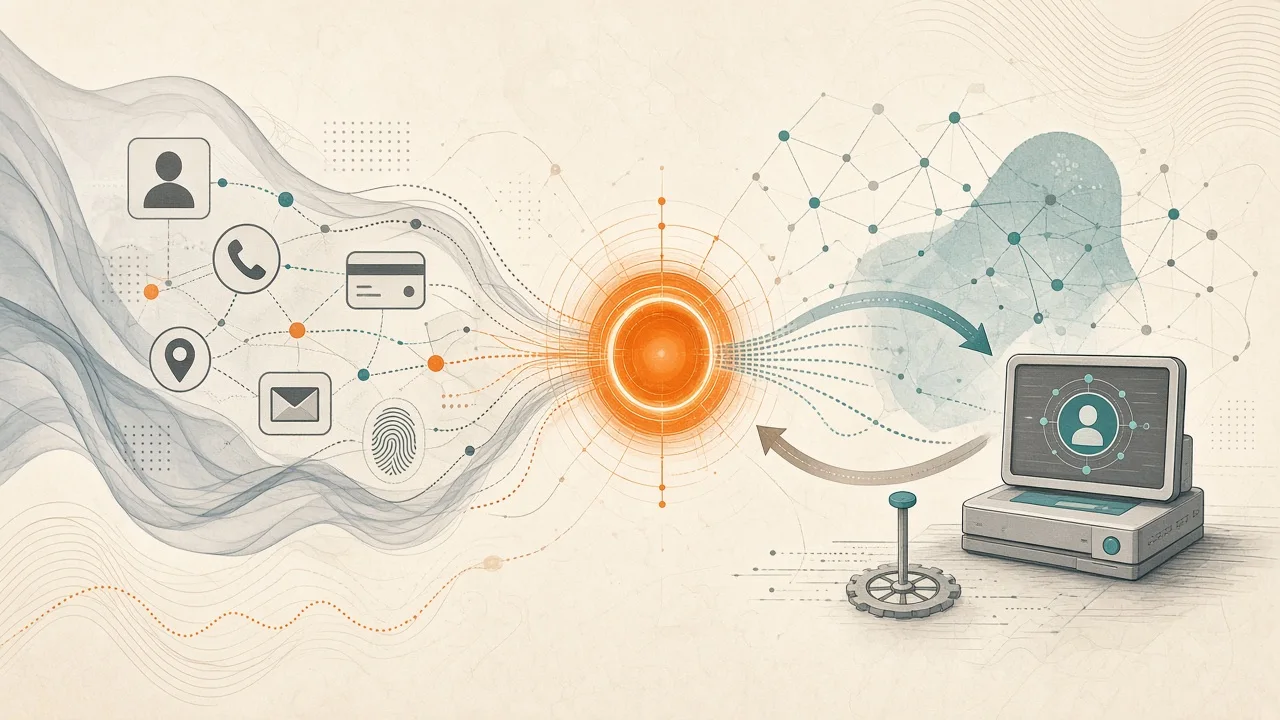
The framework first detects PII, then replaces it with same-type surrogates that keep the original sentence flow. Structured data like credit cards uses format-preserving encryption; names and places use a keyed-hash dictionary stored securely on the user side.
Session-specific mappings prevent linking conversations across time. After the remote LLM responds, the system swaps the surrogates back on your device. A new rank-class strategy for dates reduces computation while keeping realistic ambiguity.
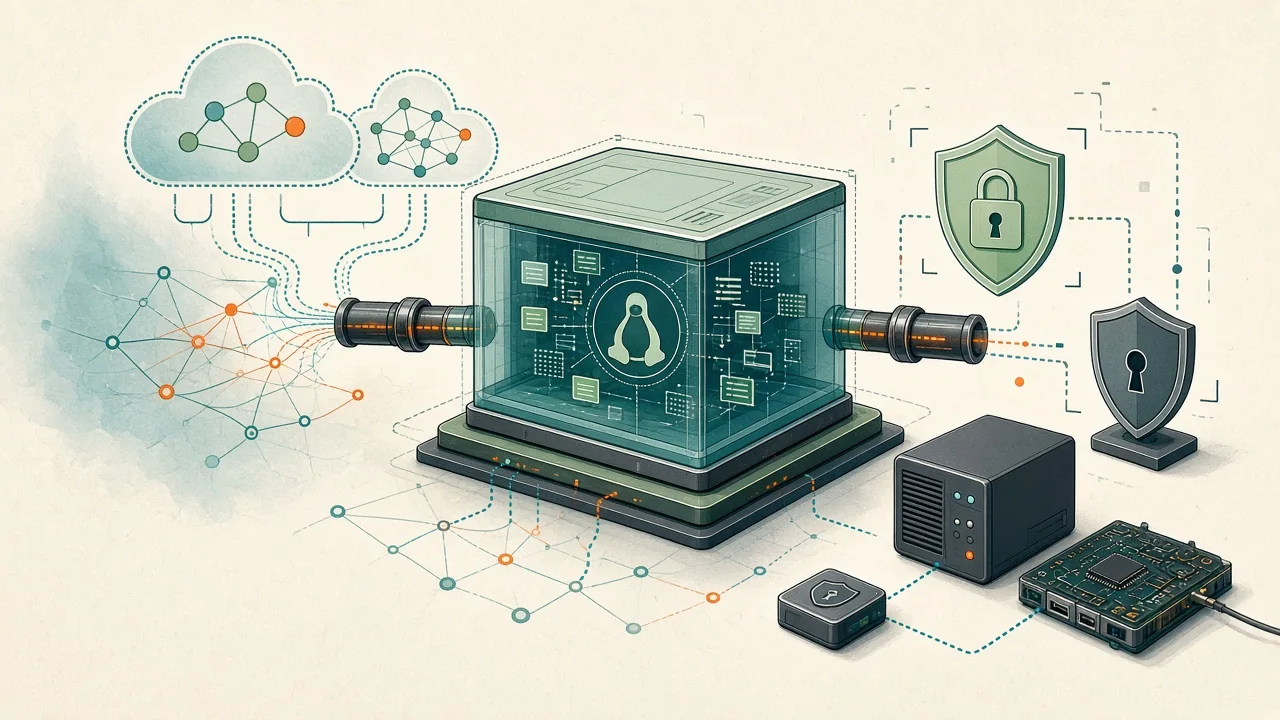
Because everything sensitive stays on the user device, the remote provider is treated as untrusted under a zero-trust model.
Evaluation Results from the Preprint
Tests across three datasets with 11,322 annotated PII instances reached 97.9 percent detection recall and protected 95.2 percent of detected values. Round-trip restoration hit 99.9 percent overall and 100 percent for echoed surrogates.
The abstract emphasizes this is an arXiv preprint dated October 16, 2026. The full paper is not reviewed here, so these figures represent the authors' reported conditions only.
Connection to Uncensored AI Choices
Research on refusal behavior and privacy-preserving prompts shows why many users seek greater control over how their data and expression are handled by hosted models. This preprint reinforces the value of techniques that keep sensitive context on the user side.
For those wanting broader conversational freedom without corporate moderation layers, we recommend considering Muah AI. Since its 2023 launch it has positioned itself as a multimodal companion supporting uncensored chat, photos, voice, phone calls and advertised video in one platform, offering an alternative that aligns with user choice in the uncensored AI space.